Living Donation Week 2020: Wrap Up
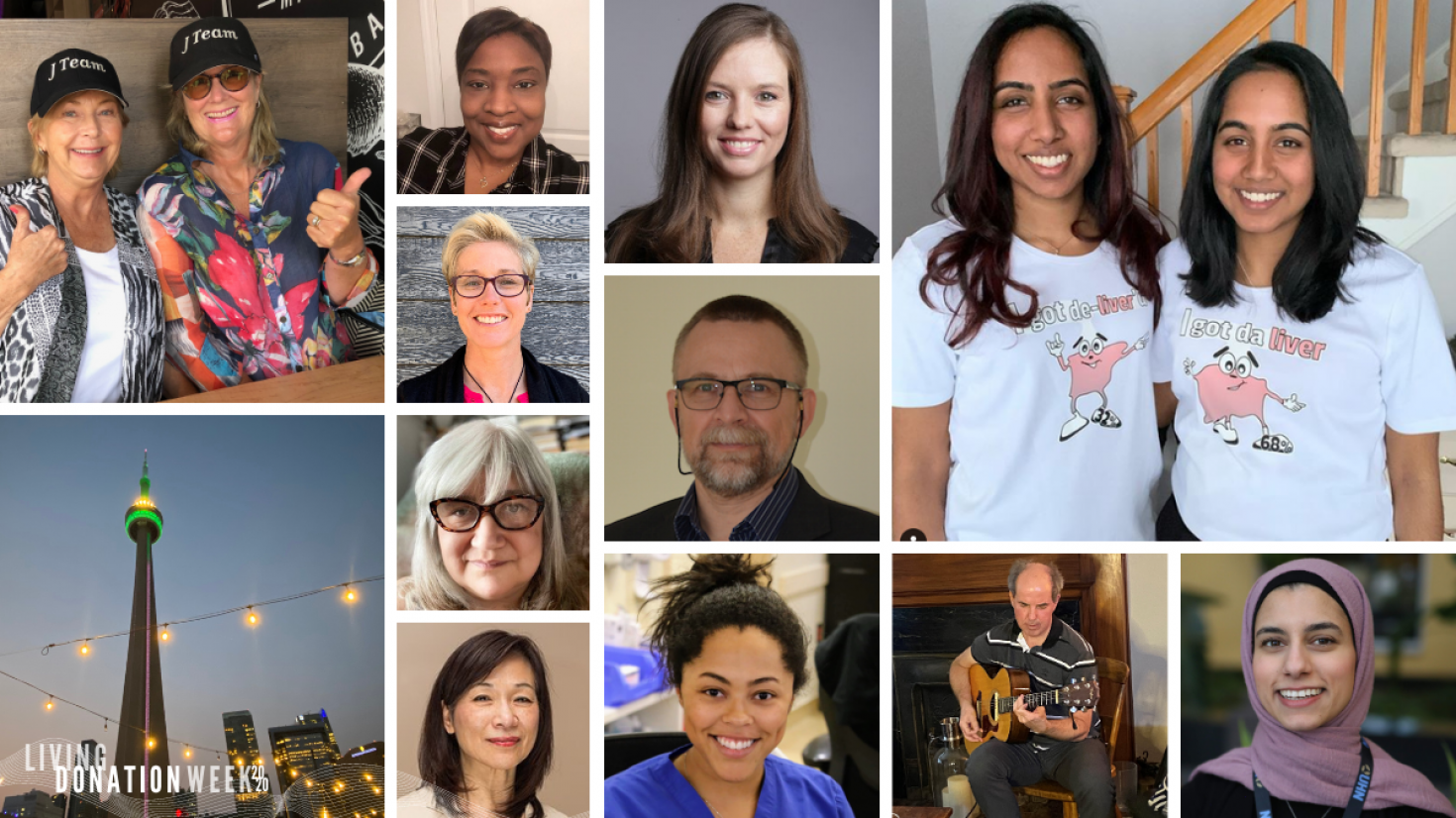
With a program of 16 sessions and over 80 speakers, there was certainly never a dull moment during Living Donation Week 2020. Our academic morning series included topics that ranged from International Perspectives on Access and Equity in Living Donor Kidney Transplantation to Living Donation and Faith Communities, as well as a Thought Leadership Panel on the Future of Living Donation and Transplantation. Over lunch, we discussed Healthy Eating for Transplant and Living Donation, watched students and fellows pitch research projects to a panel of judges, and invited viewers to sit in on a live taping of our soon to be released podcast.
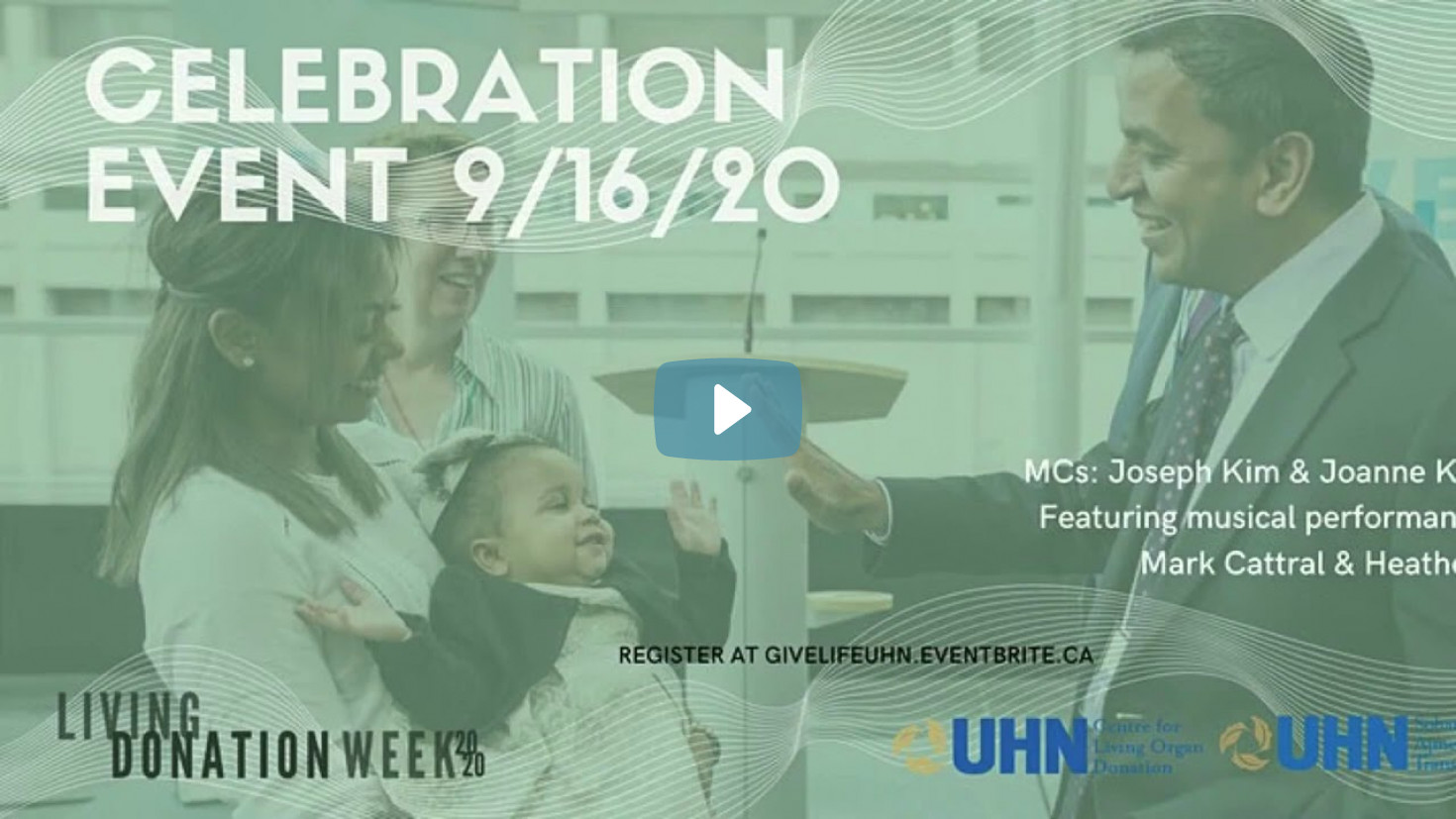
Our In Conversation series took over the week's afternoons with our moderators (most of them patient partners) sitting down with our kidney and liver transplant teams, living donors and recipients, and caregivers. Finally, Wednesday afternoon's Celebration Event gave everyone an opportunity to thank living donors and living donor transplant teams across Canada for their life-saving efforts. It was a busy week - and we can't wait to do it again next year!
Watch It Again: Wednesday, September 16 2020





Pitch Competition Winners
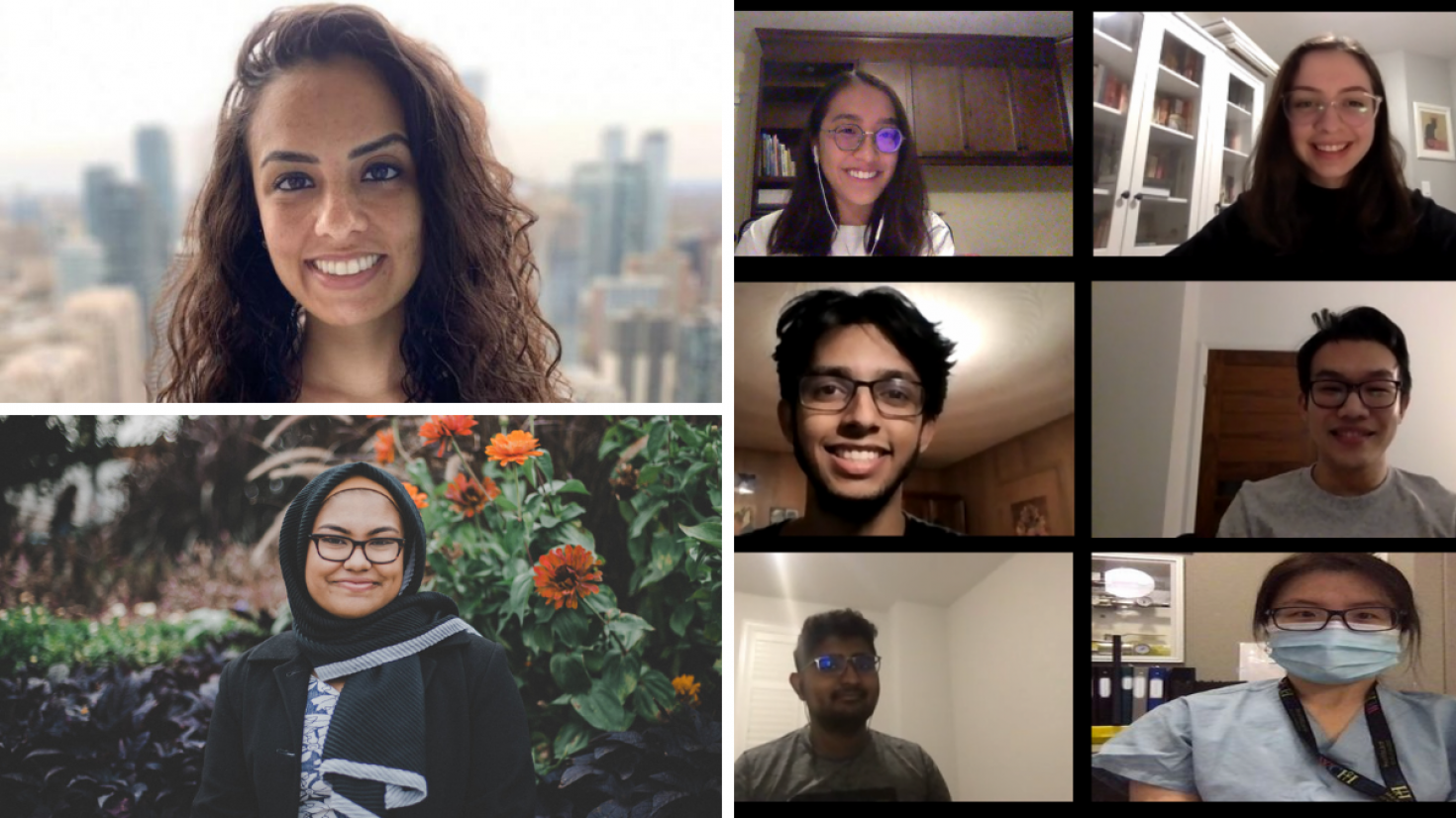
Congratulations again to the winners of Innovation in Living Donation Care, Research & Education: Pitch Competition - Hala Muaddi, Marzan Hamid and the Multi-Organ Transplant (MOT) Student Research Training Program!
Hala Muaddi's first prize project pitched data collection to address disparities in access to liver transplant based on socioeconomic status (SES). Currently, there is no available data on whether patients with different SES who require transplant are served equally throughout Ontario. Gathering this data will help identify underserved patient populations and guide the development of future interventions and strategies to overcome inequalities in transplant access in Ontario. Results of this study will impact clinicians, researches, patients living in Ontario and beyond. With this data, clinicians can begin to address disparities and ensure equitable living donor liver transplant access and outcomes.
Tied for second place, Marzan Hamid pitched Transplant Talk, a mobile application that will address the low rates of living donor transplantation in marginalized communities. The app will connect individuals with similar circumstances and backgrounds, and provide them with a platform to discuss donation and access peer-to-peer support. Transplant Talk aims to build a network of donors, patients, caregivers, families and everyone in between to enable open, culturally appropriate conversations. Transplant Talk will be the first of its kind, and will pave the way for open dialogue and thought-exchange between people from all walks of life, ultimately improving the way people think about transplant and living organ donation.
Also in second, the MOT Student Research Training Program (Emily Nguyen, Kateryna Maksyutynska, Lakindu Somaweera, Jonathan Wang, Cavizshajan Skanthan, Rachel Chen) for the Kidney Transplant Learning Project, a project to improve information retention for transplant patients in the pre-transplant process. The project will adapt existing patient education material to interactive formats, such as animated videos, quizzes and summary graphs for patients to access at home. By facilitating self-directed learning that can be adjusted based on patient needs and learning styles, the Kidney Transplant Learning Project will improve current knowledge dissemination practices in the transplant program improving outcomes for both recipients and donors.
Upcoming Events
Living Donation Week might be over, but we still have lots of events coming up, as well as our ongoing education sessions.
November 12 2020: Healthy Eating Before and After Liver Transplantation with registered dietitians, Sarah Dales and Brooke Stewart, Ajmera Transplant Centre.
October 15, 2020: Liver & Cancer ELLICSR
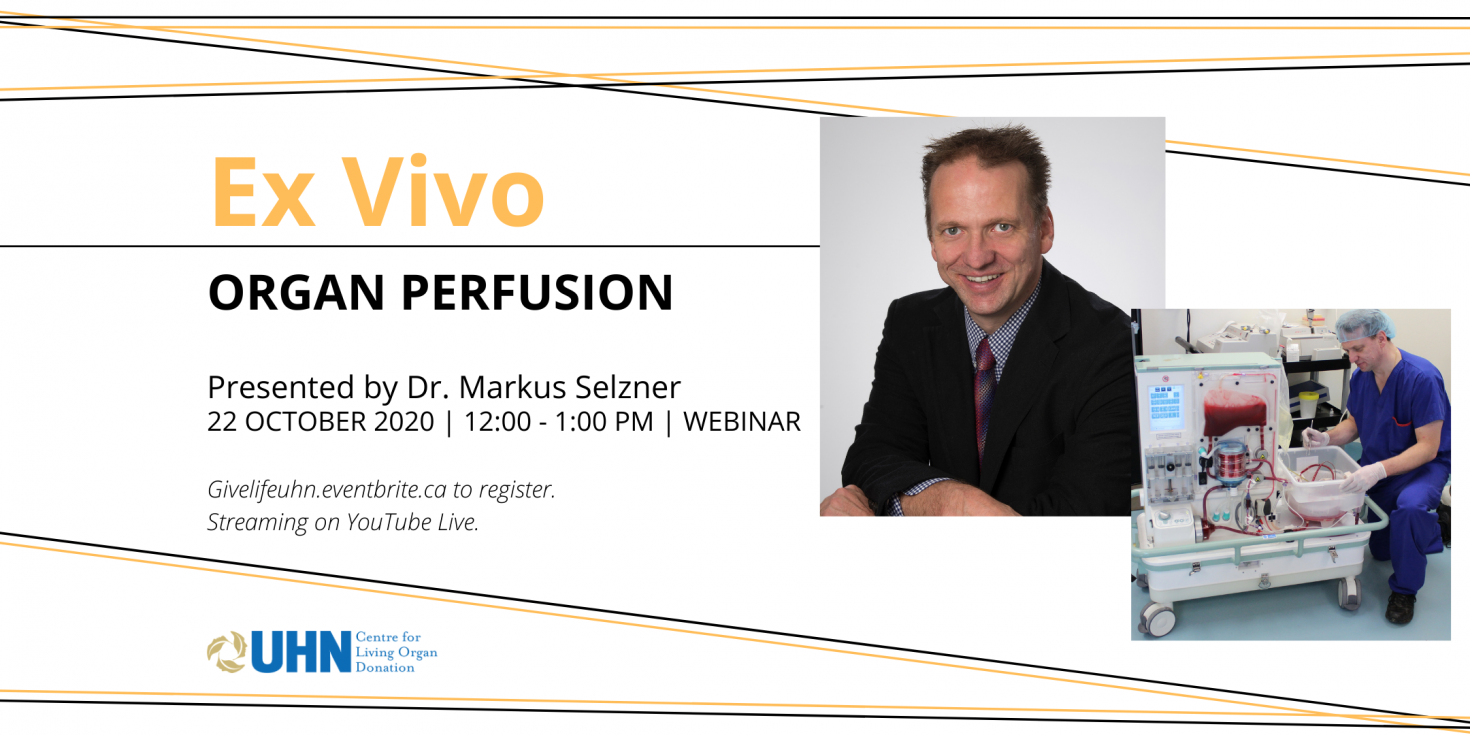
October 22, 2020: Ex Vivo Organ Perfusion with Dr. Markus Selzner
November 12 2020: Healthy Eating Before and After Liver Transplantation with registered dietitians, Sarah Dales and Brooke Stewart, Ajmera Transplant Centre.
Ongoing Education Events
Presented by Heather Lannon, Outreach Coordinator, Centre for Living Organ Donation
Presented by Heather Lannon, Outreach Coordinator, Centre for Living Organ Donation


The Centre for Living Organ Donation at UHN
Toronto General Hospital
585 University Ave., 11PMB 100, Toronto, Ontario M5G 2N2 Canada
416-340-5400
Subscribe to this mailing list
Unsubscribe from this mailing list
